Living in Lexington MA: What Daily Life Is Really Like
February 5, 2026
February 5, 2026
Thinking about a move to Lexington, MA? You might picture leafy streets, historic landmarks, and weekends spent on bike trails. You also want practical answers about housing, commute options, schools, and everyday life. This guide walks you through what living in Lexington feels like so you can see if it fits your goals. Let’s dive in.
Lexington is a suburban town in Middlesex County, northwest of Boston and close to Cambridge and Route 128. It is part of the broader Boston metro and often grouped with the Cambridge–Newton–Framingham area. The town is known for its Revolutionary War history, the iconic Battle Green, and a strong civic identity.
Here, you find a mid-sized community with a significant share of households with school-age children and professionals in tech, biotech, and research. Many residents work in Cambridge, Boston, or along Route 2 and I‑95. The town is generally described as low-crime compared with national averages, and you experience all four New England seasons.
Lexington Center, near the Battle Green, is the town’s walkable heart. You can grab coffee, browse local shops, visit the library, and attend community events in one compact area. Historic streets lead to civic buildings and museums, and the Common often hosts seasonal activities.
Beyond the center, neighborhoods range from older streets with historic homes to postwar subdivisions and newer infill. You get a residential feel throughout the town with pockets of small-scale retail.
Outdoor time is easy here. Minute Man National Historical Park connects you to key Revolutionary sites and walking paths. The Minuteman Bikeway gives you a paved, multi-use route toward Arlington and Alewife in Cambridge. Lexington also maintains conservation land and playing fields for hiking, youth sports, and dog walks.
If you like an active routine, you can bike to Alewife on weekdays and spend weekends exploring local trails. Many residents mix in neighborhood strolls, kids’ games on town fields, and relaxed afternoons on the Green.
In-town, you’ll find cafes, bakeries, restaurants, and professional services. For bigger shopping trips, residents often head to nearby Burlington or Waltham, or into Cambridge and Boston for more diverse dining and cultural options. Grocery needs are met by regional and national chains with a handful of specialty markets.
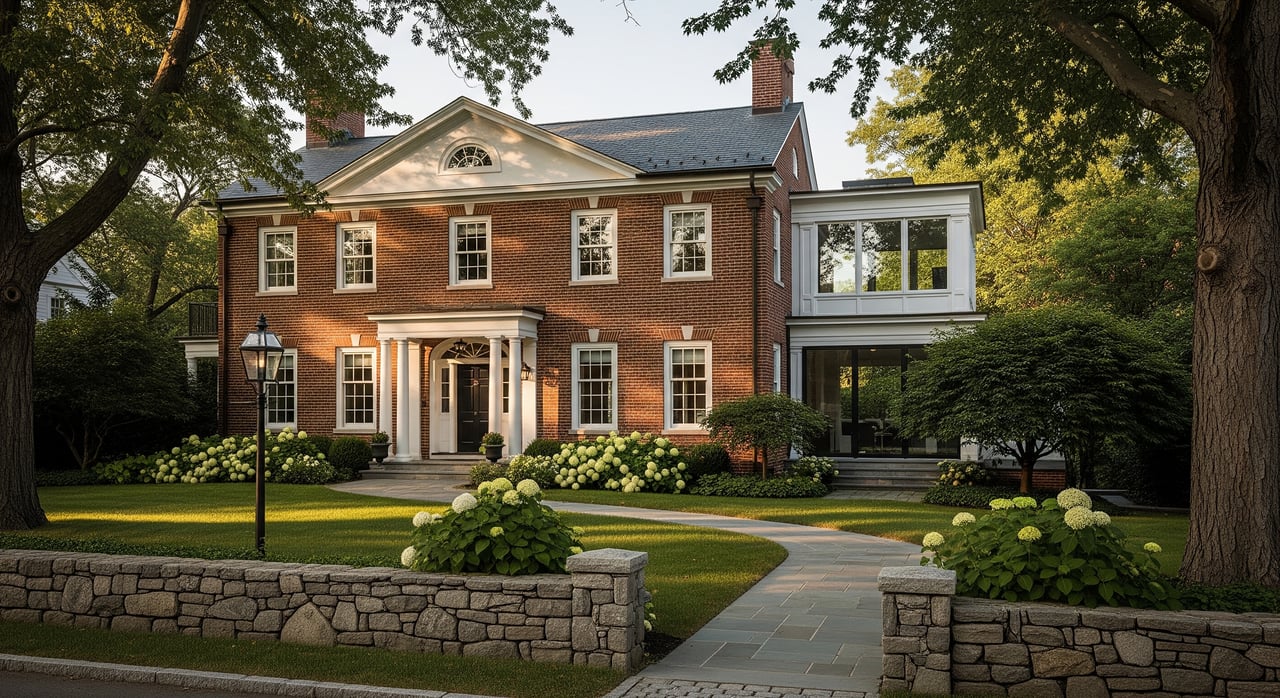
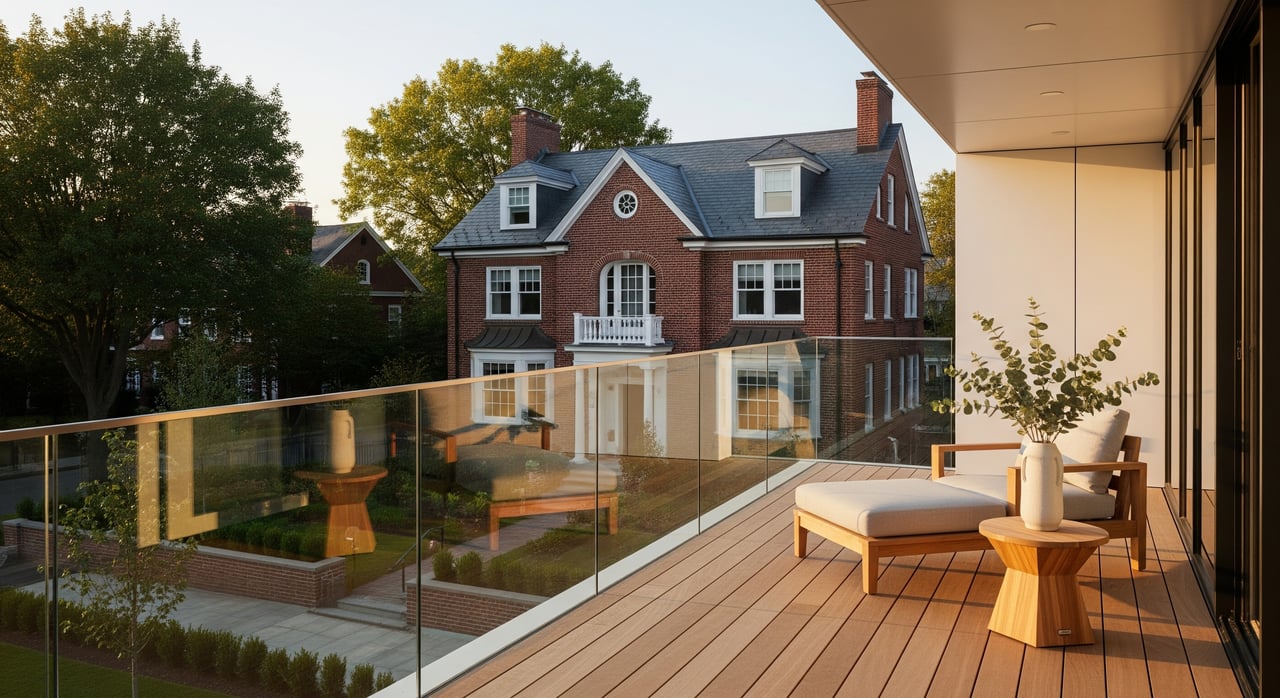
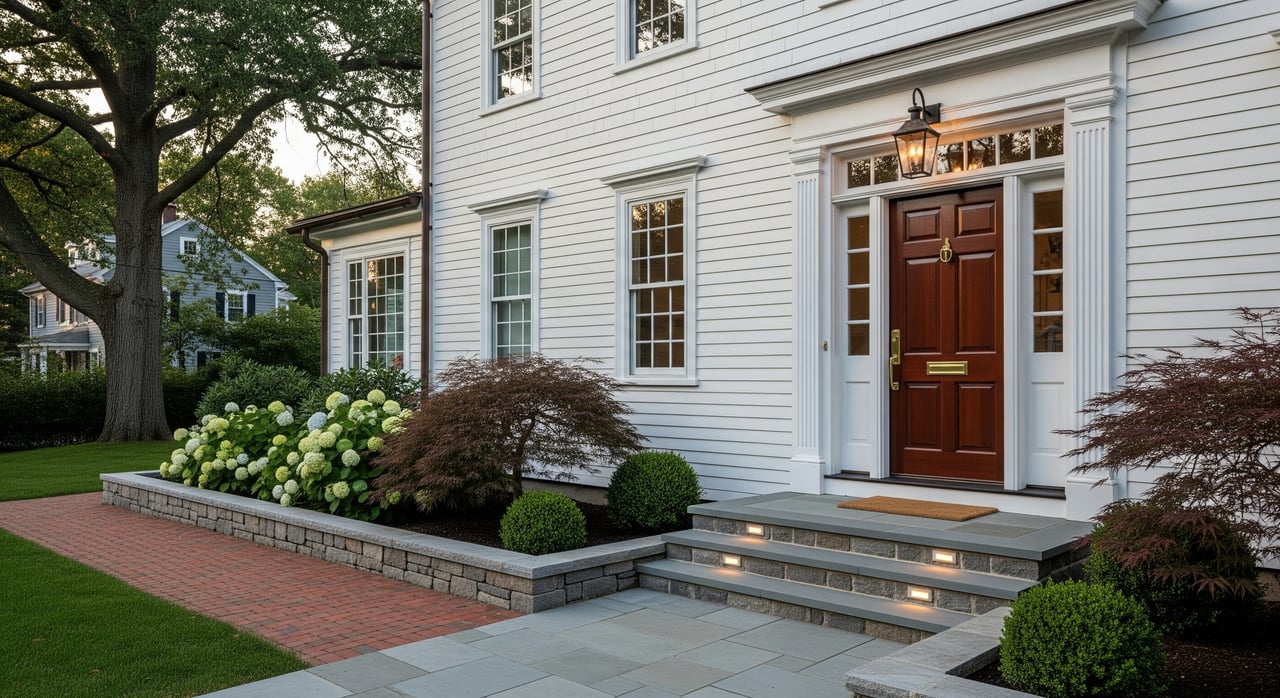
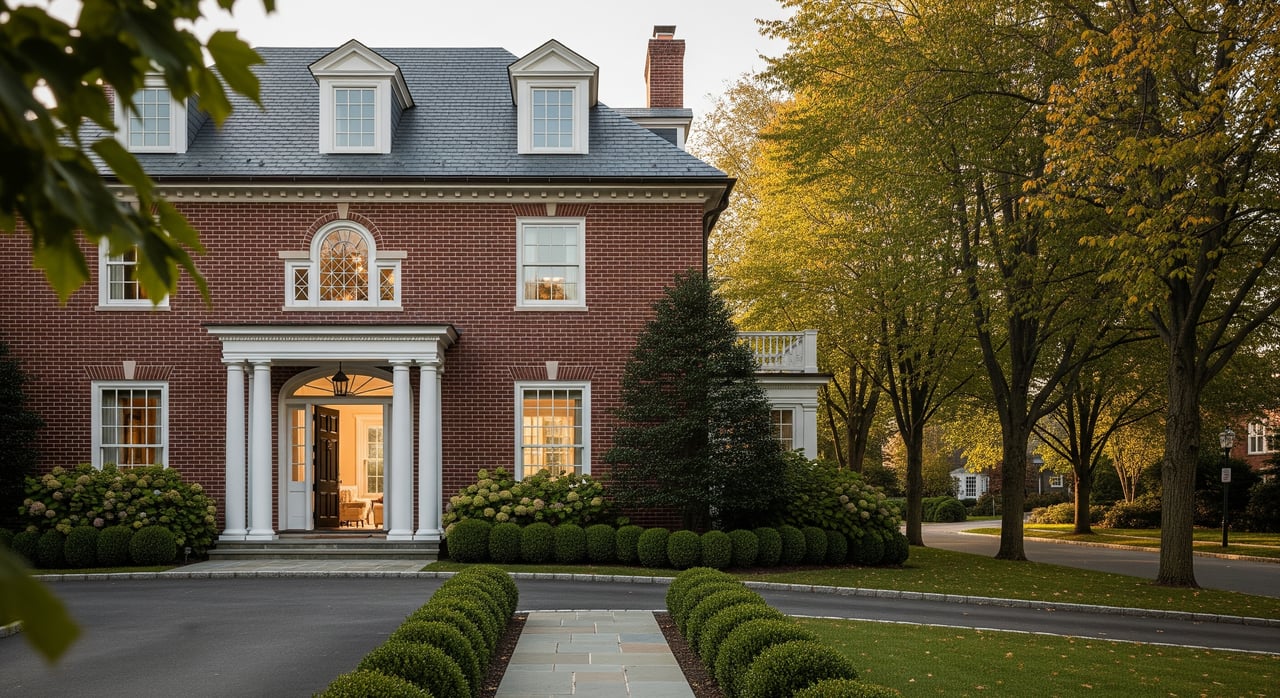
Lexington’s housing stock is dominated by single-family homes on medium to large lots. You’ll see classic Colonial and Cape Cod styles, historic 18th and 19th century properties near older roads, and mid-century subdivisions. There are also pockets of newer construction and limited townhouse or condo options. Multi-unit buildings exist but are less common than in urban areas.
It is a higher-priced market compared with state and national medians. Single-family homes commonly sell above the seven-figure mark in recent years. Inventory tends to be limited, and turnover is lower than many suburbs because people often stay for long periods. That stability supports neighborhood continuity but can make buying competitive.
If you are planning a purchase, expect careful preparation, strong pre-approval, and a strategy for timing. Desirable listings may move quickly, especially near amenities or popular commuter routes.
Condos and townhouses appeal to buyers seeking lower maintenance or a smaller price point. Supply is limited, and well-located units tend to move fast. Rental options exist, including some single-family rentals, but availability is tighter than in larger cities and costs are high relative to the region.
You’ll find homes with original features, thoughtful updates, and full-scale renovations. Some areas include historic district designations or preservation guidelines. If you’re considering improvements, review any local rules to align your plans and timelines.
The overall cost of living is higher than many areas, driven by housing. Massachusetts towns levy property taxes, and Lexington publishes rates and assessment details through the town assessor. Budget for typical suburban expenses like heating, snow removal, and lawn care. Older homes may benefit from energy updates over time.
Lexington sits close to Route 2 and I‑95, which provide access to Boston, Cambridge, Waltham, and Burlington. Traffic can be heavy during peak hours, so commute times vary by time of day and weather. Parking is generally available in residential areas, though it may be tighter near the center and schools during events.
MBTA bus routes connect Lexington to nearby hubs, including Alewife on the Red Line. Routes and schedules change periodically, so check current MBTA information. The Minuteman Bikeway offers a popular non-car option to Alewife, where you can connect to the subway for downtown or Kendall Square.
Many residents split between car commutes, bus-to-Red-Line trips, and biking to Alewife. Remote and hybrid work are common among professionals in tech and biotech. If you value a reliable routine, consider proximity to the Bikeway or quick access to Route 2 when you choose a neighborhood.
Lexington Public Schools are widely regarded as high performing within Massachusetts. Families highlight strong academics, robust extracurriculars, and specialized programs. For specifics on enrollment, programs, and boundaries, review district and state profiles.
You have a well-used public library with programming for all ages. Primary care and specialty clinics are available in and near Lexington, with major hospitals in Cambridge and Boston. Town departments manage recreation, conservation, senior services, and public works.
Community life is active and civic-minded. Patriots’ Day observances and reenactments draw crowds with deep ties to local history. Dining and nightlife in town are modest, and many residents go to Cambridge or Boston for museums, theater, and live music.
You might be a good fit if you want suburban space, access to green areas, and a practical commute to Cambridge or Boston. You also value a strong school system and a community calendar that includes history, sports, and local events. If you prefer a dense, late-night scene, you may look to nearby cities for dining and entertainment while keeping Lexington as a quiet home base.
Get pre-approved early. A strong pre-approval helps you move fast when the right home appears.
Clarify must-haves vs. nice-to-haves. Prioritize commute access, Bikeway proximity, yard size, or renovation tolerance.
Understand neighborhoods. The most walkable areas cluster around Lexington Center. Other streets trade walkability for larger lots or newer homes.
Consider condos or townhouses. They can offer a lower entry point and reduced maintenance, but expect limited supply.
Review local guidelines. Ask about historic districts, conservation rules, and any recent planning updates.
Plan for ownership costs. Think about utilities, snow, lawn care, and potential energy upgrades in older homes.
If Lexington sounds like the right blend of history, green space, and commuter access, a tailored plan can make your move smoother. You deserve clear advice on neighborhoods, likely pricing, and timelines. For a friendly, high-touch strategy from a local expert, connect with Maija Sawyer. She offers premium marketing for sellers, hands-on guidance for buyers and relocations, and coordinated support from valuation through closing.
Stay up to date on the latest real estate trends.


Ready to take the next step in your real estate journey? Whether buying, selling, or just exploring options, Maija Sawyer is here to provide personalized guidance every step of the way. Contact her today for a complimentary consultation or market analysis.