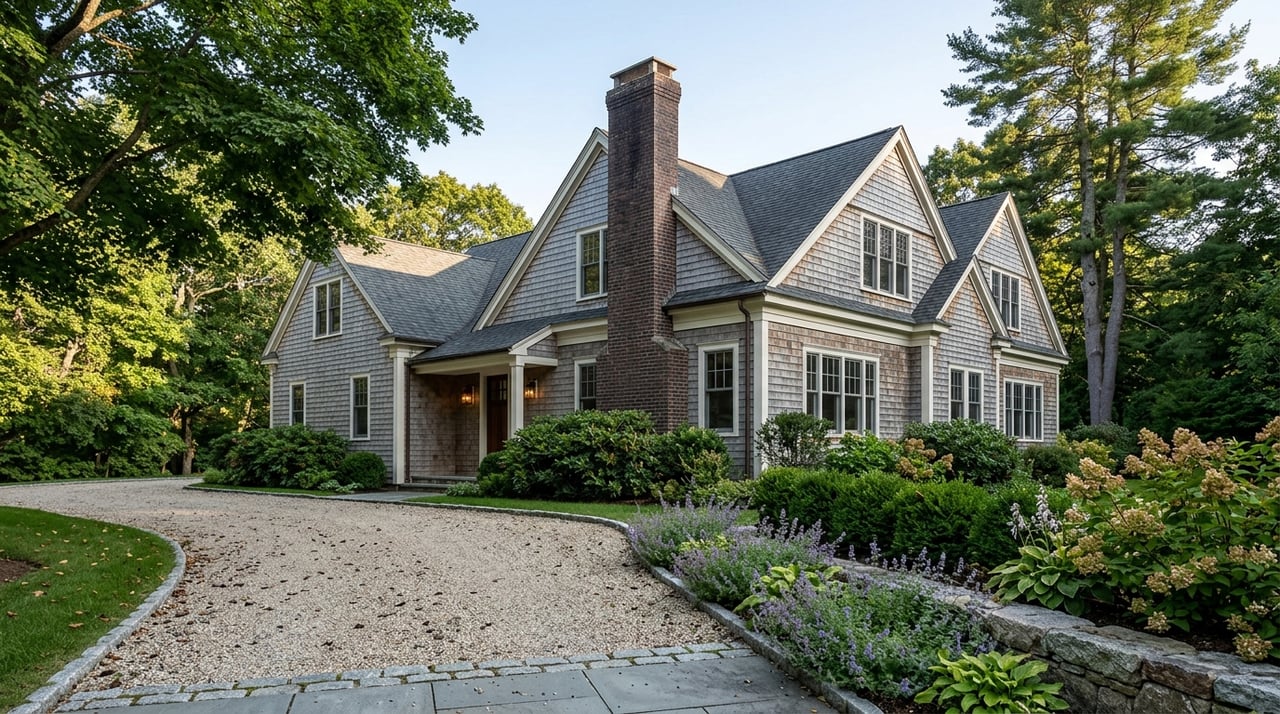
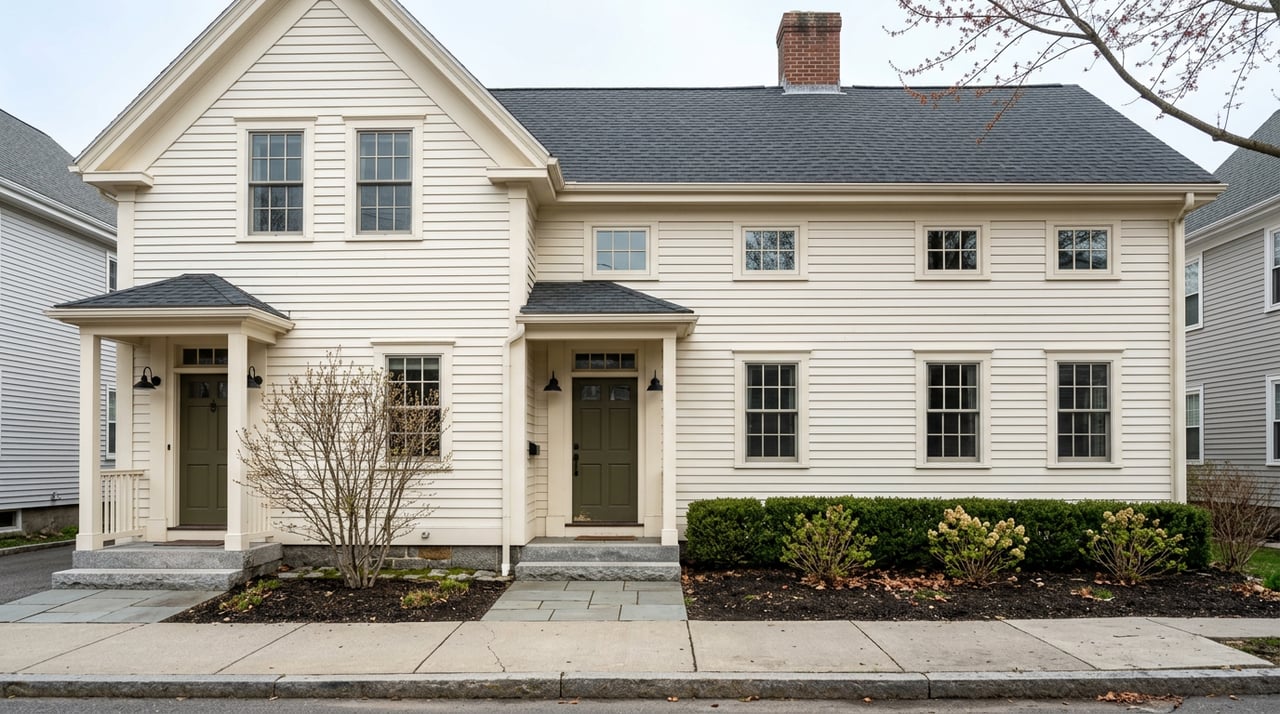
Trying to decide between a Cambridge condo and a single-family home? You’re not alone. With limited land, varied housing types, and strong demand from universities and tech, the choice here feels more complex than in other cities. In this guide, you’ll learn how condos and single-family homes compare on price, space, maintenance, condo fees, parking, transit, and resale, plus which option fits common buyer situations. Let’s dive in.
Cambridge market at a glance
Cambridge is a dense, older city with many multifamily buildings, converted brownstones, and mid-rise condos near Kendall Square, Central Square, and other transit hubs. Single-family homes exist, but lots are scarce and many houses are historic or on smaller parcels. This supply imbalance often keeps condo prices as the lower entry point and single-family homes at a premium.
Demand is powered by nearby universities and major tech and biotech employers. Commute-friendly condos are popular with first-time buyers and professionals. Single-family homes attract longer-term owners who value privacy and outdoor space. New development, interest rates, and the job market can shift the price gap between property types, so staying current on local data is important as you shop.
Budget and total cost
Purchase price realities
- Condos generally offer a lower purchase price in Cambridge, which can make them an accessible first step into homeownership.
- Single-family homes usually carry a notable premium due to land scarcity, private yards, and buyer preference for privacy.
Monthly costs to model
- Property taxes are based on assessed value. Budget for taxes, insurance, and utilities in either case.
- Condo fees vary widely by building, age, amenities, and heating structure. They often cover exterior maintenance, master insurance, snow removal, landscaping, and reserves. Treat the fee as part of your monthly housing cost.
- Single-family homes do not have condo fees, but you should budget for exterior maintenance, higher utility usage, and bigger-ticket items over time.
- Special assessments can occur in condos for major projects. Ask for the assessment history and the reserve balance.
Financing notes
- Lenders apply different rules to condos, including project approval and owner-occupancy ratios. Condo fees count toward your debt-to-income ratio, which can affect borrowing capacity.
- FHA and VA buyers may need projects that meet program approval. A local lender can confirm options early.
- Single-family financing is typically more straightforward, with the usual appraisal and property checks.
Space, privacy, lifestyle
Square footage and outdoor space
- Condos tend to have efficient layouts and less private outdoor space, such as a balcony or shared yard. Many units are in converted multifamily buildings or newer mid-rises.
- Single-family homes often provide more interior space, storage, basements, and attics, plus private yards that can be valuable for gatherings, pets, or gardening.
Noise and privacy
- Condos include shared walls and common areas. In older buildings, noise can be noticeable.
- Single-family living usually offers more privacy and control over your surroundings.
Renovation control
- In condos, interior updates are generally allowed, but exterior or common-area changes need HOA alignment and, at times, city permitting.
- Single-family homes allow more freedom to renovate and expand, subject to zoning and any historic district rules.
Maintenance and risk
Condo responsibilities
- The HOA typically manages building envelope, roof, common systems, snow removal, and landscaping. This lowers day-to-day tasks for you.
- The trade-off is relying on the HOA’s budgeting, maintenance planning, and reserves. Review these closely.
Single-family responsibilities
- You handle all maintenance, from the roof to the yard. Plan both time and funds for upkeep.
- Older Cambridge homes may require attention for systems like heating, electrical, and exterior materials. A strong inspection is essential.
Condo fees and HOA
Documents to review
Request these before committing:
- Budget and financial statements
- Reserve study and current reserve balance
- Recent board meeting minutes
- Master insurance summary and deductibles
- Bylaws, rules, and regulations, including pet and rental policies
- Declaration and unit allocation schedule
Red flags to avoid
- Low reserves relative to building age and systems
- A pattern of special assessments
- Ongoing litigation
- High investor concentration that could affect financing or resale
Parking, transit, commuting
Transit advantages
- Cambridge benefits from the MBTA Red Line and several bus routes, plus nearby Green Line access in certain border areas. Locations near Kendall, Central, and Porter Squares command premiums for walkability and transit access.
Parking realities
- Off-street parking is limited in many neighborhoods. Some condos include one space, but many do not.
- Street parking policies vary by neighborhood and require permits managed by the city.
- Single-family homes are more likely to offer driveways or garages, though older properties may still have limited off-street parking.
Resale and investment
What supports future value
- For both condos and single-family homes, key drivers include access to transit and job centers, property condition, updates, and parking. School access can also influence buyer demand.
- Condos often attract a wider buyer pool at lower price points, but resale depends on building health, reserves, rental policies, and management quality.
- Single-family homes benefit from scarcity of land and can show stable long-term demand, especially in established neighborhoods.
Who typically fits each
First-time commuter or single professional
- Likely fit: Condo near Kendall, Central, or Lechmere and East Cambridge.
- Why: Lower entry price, short commute, minimal exterior maintenance.
- Watch-outs: Review HOA fees and rules, and confirm parking options if needed.
Young couple planning a family
- Likely fit: Single-family home or a townhouse, with options in West Cambridge, Cambridgeport, or parts of North Cambridge where they are available.
- Why: More bedrooms, private yard, long-term value potential.
- Watch-outs: Higher purchase price and maintenance. Inventory can be tight, so consider nearby suburbs if you need more space.
Downsizer or empty nester
- Likely fit: Condo in a well-managed building close to services and transit.
- Why: Lower maintenance and simpler urban living.
- Watch-outs: Confirm fee levels and assess long-term affordability, including reserve strength and potential assessments.
Investor or rental buyer
- Likely fit: Condos, with careful attention to rental policies, caps, and owner-occupancy ratios.
- Why: Strong demand from local renters and commuting professionals.
- Watch-outs: Too many investor-owned units can affect financing and resale.
Multi-generational family
- Likely fit: Larger single-family home or townhouse with flexible spaces.
- Why: Separate living areas and outdoor space matter.
- Watch-outs: Cambridge has limited supply of larger homes. You may also explore Newton, Belmont, or Watertown for more options.
Your Cambridge decision checklist
Use this list to compare individual properties side by side:
Bringing it all together
Choosing between a Cambridge condo and a single-family home comes down to how you prioritize budget, space, maintenance, parking, commute, and long-term plans. Condos simplify upkeep and often cost less upfront, but you must review HOA health and fees carefully. Single-family homes offer more control and space with a higher purchase price and ongoing maintenance.
If you want help weighing these trade-offs or exploring options in Cambridge and nearby suburbs, connect with Maija Sawyer. As a responsive, local advisor backed by premium marketing and strong negotiation, Maija will help you make a confident decision for your next move.
FAQs
What costs should I compare when choosing a Cambridge condo vs. single-family?
- Compare mortgage, property taxes, insurance, utilities, condo fees if applicable, expected maintenance, and potential special assessments for condos.
How do condo fees in Cambridge affect my buying power?
- Lenders include HOA dues in your debt-to-income ratio, so higher fees can reduce the amount you can borrow even if the purchase price is lower.
Is parking easier with single-family homes in Cambridge?
- Often yes, because many single-family homes have driveways or garages, while many condos do not include parking and rely on street permits.
What condo documents should I review before I buy?
- Review the HOA budget, reserves, recent meeting minutes, insurance summary, bylaws, rules, declaration, and any history of special assessments.
How do resale prospects differ between condos and single-family homes in Cambridge?
- Condos attract a wide buyer pool but depend on building health and policies; single-family homes benefit from scarce land and can show stable long-term demand.
Which neighborhoods offer more single-family options within Cambridge?
- You can find options in areas such as West Cambridge, Cambridgeport, and parts of North Cambridge, though inventory is limited and competitive.