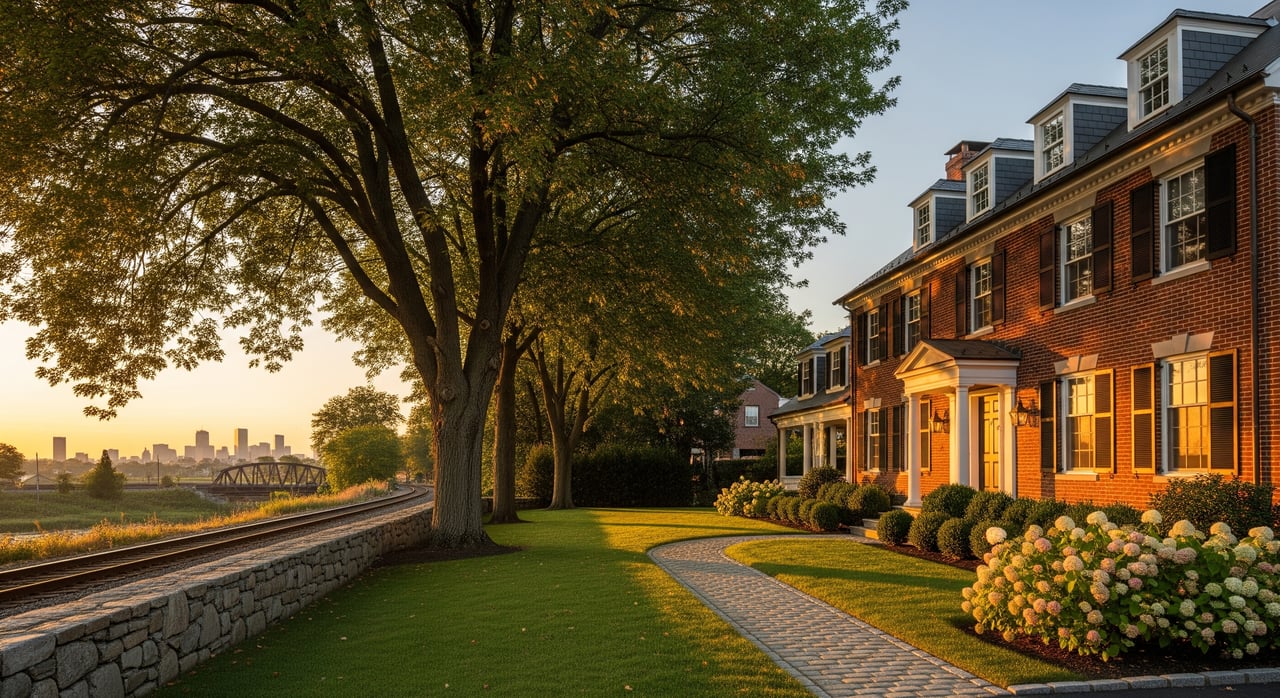
Waltham MBTA Commuter Suburbs Guide for Boston Pros
November 21, 2025
November 21, 2025
If you want a Boston job without a Boston zip code, Waltham is worth a close look. You get a true suburban feel, a lively downtown, and multiple MBTA options that can make your commute predictable and productive. If you are weighing neighborhoods or planning a relocation, understanding how the trains, buses, parking, and timing actually work will save you time and stress. This guide gives you the practical, local view so you can choose a Waltham home that fits your commute and your life. Let’s dive in.
Waltham sits just west of Boston in the inner ring of suburbs, with quick access to Route 128/I‑95 and a compact downtown along Moody Street. Many buyers choose it for suburban housing, a strong restaurant scene, and reasonable commuting choices into the city. If you want options beyond driving, you will find both commuter rail and bus links that connect to Boston and Cambridge.
Transit can shape your day more than pure mileage. With the right plan, you can read or catch up on email while the train rolls, avoid downtown parking costs, and keep your schedule more predictable. Transit access also tends to support long‑term resale appeal, especially when you can walk to stations and everyday amenities.
Waltham is on the MBTA Fitchburg Line, which runs directly to Boston’s North Station. Two stations serve the area: Waltham and Brandeis/Roberts. Weekday peak periods usually see more trains, while off‑peak and weekends run fewer trips. Plan around timing because commuter rail has longer gaps between trains than the subway.
Before you commit to a routine, review the current Fitchburg Line schedule for weekday and weekend times, and watch for express versus local trains. Pricing uses a zone system, and commuter rail fares are higher than subway fares. You can check current commuter rail zone‑based fares to budget your monthly costs.
Many Waltham commuters pair local MBTA buses with the Red Line at Alewife or the Green Line D Branch at Riverside. This can be a smart move if a train time does not fit your schedule or if you prefer subway frequency once you are on the rapid transit network. Review MBTA bus schedules and maps to see routes that serve Waltham, Cambridge, and key employment centers.
Some employers also run private shuttles, and many residents use ride‑hail for first or last mile. If you live a short drive from Alewife or Riverside, a park‑and‑ride routine to the subway may compare well with commuter rail depending on your hours.
Door‑to‑door time from Waltham or Brandeis/Roberts to North Station commonly falls in the 25 to 45 minute range, depending on where you start, whether you catch an express or local train, and how long your first and last mile takes. If you are within a 10 to 15 minute walk of a station, you remove parking from the equation and keep your commute more predictable.
Driving can be faster than transit when traffic is light, but rush hours often stretch travel on I‑95/128, Route 2, and local arterials. A hybrid approach, like driving to Alewife and taking the Red Line, can be competitive during peak periods. For reliability, you can track performance trends on the MBTA’s performance dashboards and keep an eye on planned service changes as you refine your plan.
Many MBTA station lots fill during weekday mornings. Some use daily fees, others require monthly permits, and popular lots may have waitlists. Nearby streets often have resident parking restrictions to limit commuter spillover. If you expect to drive to a station, verify rules and availability ahead of time through official sources, including the City’s Parking Clerk and permit information.
Station amenities vary. Before you rely on biking or waiting outside in winter, check the station pages for bicycle storage, sheltered areas, and accessibility details. A 10 to 20 minute bike ride to the train becomes much more realistic if good bike parking is available and your route feels comfortable.
Across many markets, proximity to reliable transit often supports buyer demand. In walkable, mixed‑use areas, you gain daily convenience and broad appeal to future buyers who value shorter, less car‑dependent routines. Commuter rail is not as frequent as subway service, so the value boost is usually more situational, but it still matters when schedules are reliable and peak service is strong.
In Waltham, homes within a short walk of a station or a strong bus link are easier to market to MBTA commuters. Walkability to downtown amenities like restaurants and groceries adds quality of life now and helps with resale later. Off‑street parking is also a plus for buyers who plan to drive to a station or split their week between transit and car trips.
Your best boarding point can change by neighborhood and by your daily schedule. Consider the following:
Test more than one station and route during real commute hours. What looks equal on a map can feel very different at 7:30 a.m.
Choosing the right Waltham home as a Boston‑bound commuter takes more than a quick look at a timetable. You want a location that fits your routine today and supports resale tomorrow. I help clients map door‑to‑door options during actual commute windows, evaluate parking and permit realities, and weigh neighborhood walkability and amenities alongside budget and home style.
If you are thinking about a move in or around Waltham, let’s talk through your commute targets and your wish list. I can preview neighborhoods, coordinate on‑site timing tests, and craft a purchase or sale plan that sets you up for a smooth transition. Reach out to Maija Sawyer to get started.
Stay up to date on the latest real estate trends.

Ready to take the next step in your real estate journey? Whether buying, selling, or just exploring options, Maija Sawyer is here to provide personalized guidance every step of the way. Contact her today for a complimentary consultation or market analysis.